Erapickleball.com Local Picks: Best Courts Near Me
I have spent more than a decade chasing good courts and better games, and the landscape around Era Pickleball has evolved in ways that clear, practical experience can illuminate. This isn’t a glossy marketing piece. It’s a map drawn from real sessions, real gyms, and the kind of conversations you have after a tough rally or a rough afternoon where the sun hits the court just right and you realize the game has shifted under your feet. If you’re reading this, you’re likely looking for places to play that balance access, quality surfaces, and a vibe you can actually trust. Here is a grounded, experience-forward look at the best pickleball options around Era Pickleball, with notes on what makes each stand out and what tradeoffs you might expect.
A sense of place matters as much as the court lines. In my own rounds across indoor and outdoor venues, the places that consistently deliver more than a passable game share a few common threads: clean courts, reliable lighting, a predictable schedule, and a community that treats newbies and veterans with the same courtesy. The most successful facilities here do not rely on one gimmick to draw players. They build a sustainable ecosystem—beginner clinics that don’t feel punitive, midweek doubles that actually help you improve, and member events that create a rhythm to your week without turning into an obsession.
Indoor courts deliver rhythm when the weather plays tricks. In many regions, the heart of pickleball happens inside a gym that doubles as a basketball court with extra lines or a dedicated indoor court facility. Era Pickleball indoor pickleball courts bring a quiet, persistent bounce that you can hear if you listen for it. The ball’s pop feels different on a cushioned surface, and the acoustics matter. When you’re trying to focus on your dink game, a solid indoor court can feel like a controlled environment. The best centers I’ve played in maintain consistent surface tension, never sticky or uneven, and offer lighting that doesn’t wash out the kitchen line. Temperature control matters as well. A space that stays around 68 to 72 degrees on a winter evening makes the ball carry in a way that encourages more precise shotmaking rather than compensating with brute force.
Outdoor courts bring a whole different energy. There’s something seasonal and boundary-pushing about playing outside. The sun or a late afternoon breeze changes your pace and your decision-making in ways you don’t fully anticipate until you’re in the creases of a long rally. Outdoor courts near Era Pickleball facilities tend to reward players who adapt: you learn to adjust to varying wind, you learn to respect the sun’s glare at certain angles, and you appreciate shade structures that actually keep you comfortable during peak hours. Scheduling becomes a social conversation too. If you’re chasing a reliable daily time slot, outdoor venues that publish a clear calendar and keep maintenance high are worth dialing into. I’ve seen courts that stayed true to line calls after a rain, and players who came back to a steady rhythm after a thunderstorm because maintenance crews had proactively resprayed lines and swept up debris before the next session.
The best facilities around Era Pickleball do more than offer space. They cultivate an ecosystem that helps players grow, from newcomers to competitive weekly participants. The distinction between a good court and a great pickleball community often comes down to the quality of the programs, not just the surface. Clinics that teach fundamentals without talking down to beginners, free or affordable social play that doesn’t burn you out, and well-managed leagues that add a touch of accountability without turning competition into gatekeeping. That balance matters because pickleball is not only a sport you play; it is a social practice that you keep returning to for the days when life needs a win on the court as much as a win at work.
A practical tour of the common options you’ll encounter around Era Pickleball starts with a few straightforward truths. The places with the best reputations handle a mix of members and non-members gracefully. They run structured leagues, but they don’t close the door on ad hoc games. They publish clear pricing, and they maintain a visible, straightforward system for court reservations. They also protect the experience by having staff on hand who actually understand the game, someone who can fix a net in a pinch or explain rule clarifications without making it feel like a prep course in a quiet gym. The end result is a place where you can show up, find a game quickly, and walk away with a small story about your own improvement.
Choosing the right venue depends on your priorities. If your main goal is to sharpen your doubles game with a predictable schedule, you’ll tilt toward places that run regular mixed and men’s or women’s doubles leagues on predictable evenings. If you want to bring a group of friends for a weekend scramble, then look for softer pricing on spare courts or open play windows that allow longer sessions. If you’re trying to bring a beginner into the sport, it helps to find a place that offers one-on-one coaching or a low-cost clinic format that emphasizes fundamentals and safety. You’ll be able to draw a line from the specifics of the facility to the kind of experience you’ll have on the court, and that line is worth following.
As you read about the following venues, keep in mind that the best places tend to be the ones that adapt without losing their core. They adjust to crowd size, to weather, to seasonal demand, and they do not pretend that one model fits all players. They welcome your questions, and they respond with clarity rather than hype. The reality is that no one court will be perfect for every day, but a small handful of venues stand out because they solve a lot of the daily friction that can wear on players: parking that is straightforward, a lobby that doesn’t feel like a maze, a front desk that can point you to a ready-for-play court in under five minutes, and a snack or coffee option that makes it easy to stay for a few extra games.
Indoor picks that consistently impress
When you walk into a facility with well-lit indoor courts and a steady cadence of play, you can feel the difference in the air. The bounce is reliable, the nets stand taut, and the line calls feel fair even when the gym is busy. The best indoor pickleball spaces around Era Pickleball combine a strong schedule with a simple, transparent pricing model. They also invest in decent furniture in the viewing area, a clean rest area, and a small but functional shop that carries basics like extra grips, overgrip towels, replacement face masks for the net area, and a selection of well-known ball brands. It is surprising how often these small conveniences influence your experience.
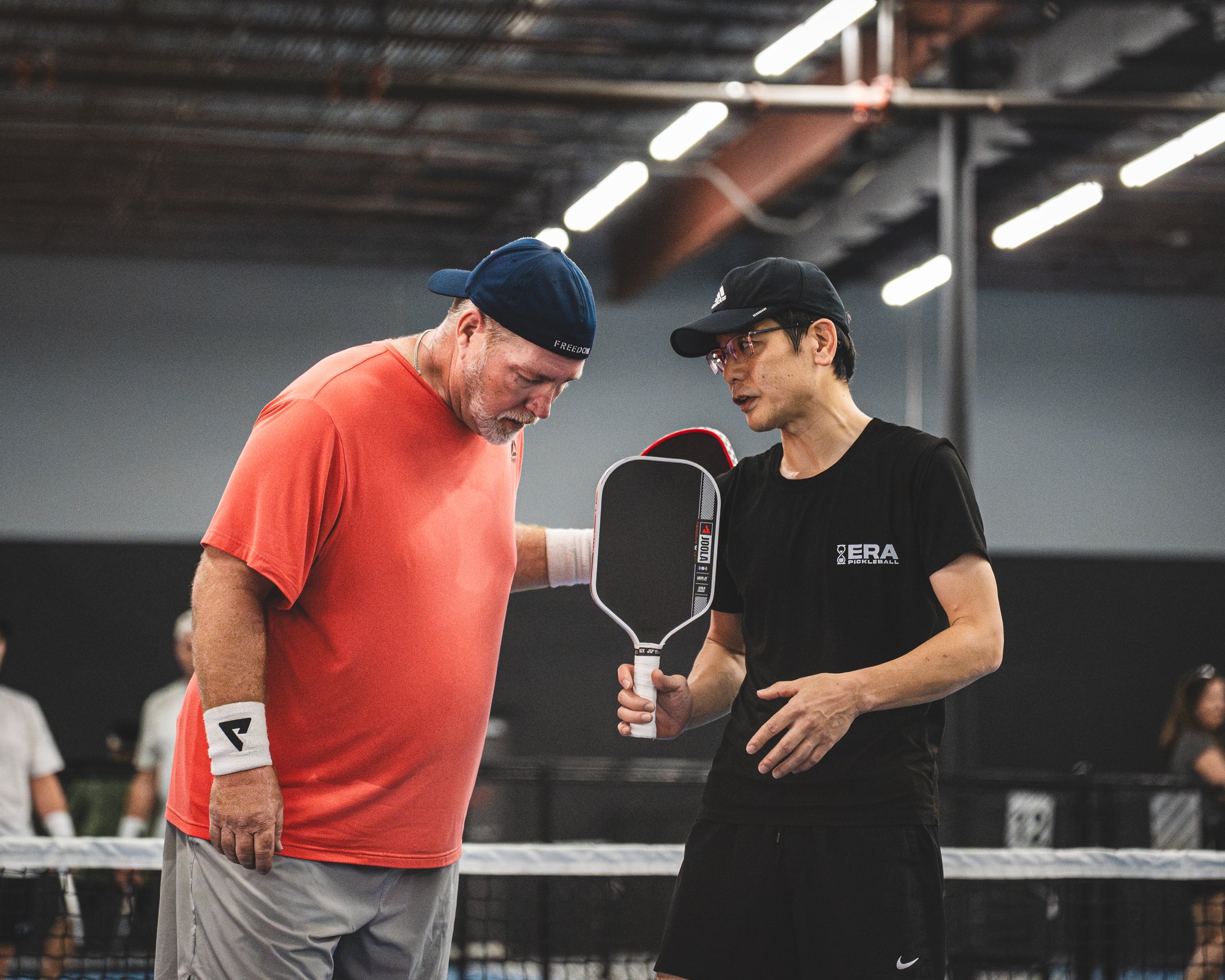
One standout feature of top indoor facilities is the presence of a robust beginner program. A good indoor venue around Era Pickleball offers a monthly intro clinic that runs on a weekday evening or a weekend morning. These clinics are not mere demonstrations. They are structured with progression: warm-up drills, controlled drills for the dink and shot selection, then short games designed to apply the learned technique in a supportive environment. For a newcomer, stepping into a well-run indoor group can shave weeks off the time it takes to feel comfortable on a full court, especially when the club follows up with a gentle, well-timed invite to social play.
Beyond beginner-friendly design, the best indoor spaces also support a well-loved format for more experienced players: rounds of fast-paced mini-tournaments that run in a single evening. These events give each participant a handful of matches with different partners, a friendly setting that still has a hint of competitive energy. You can count on a few things during these evenings: clear pairings and a predictable flow, a well-briefed staff that knows how to run a bracket, and enough camaraderie around the league to turn a casual Tuesday into a cornerstone of your week.
Outdoor picks that bring the sunshine into play
Outdoor facilities often shine when the weather cooperates but can create a different stress if the conditions aren’t favorable. The best outdoor courts near Era Pickleball balance sun and shade, wind protection, and a surface you can depend on through humidity, heat, or a sudden rain. The consequences of poor drainage are obvious: puddled lines, slippery surfaces, and a game that becomes more about maintenance than play. Facilities that handle this gracefully invest in robust drainage and resurfacing plans that kick in well before the season does. They also schedule outdoor play during windows that avoid peak heat, which helps you keep your energy for rallies rather than fighting the elements.
One of the more meaningful signals of quality in outdoor spaces is the way they manage wind. If you have ever found your dink into the wind, you know how much the breeze can tilt a match toward one player with a better wind break or better anticipation. The highest-rated outdoor venues offer a wind map on their site or a staff introduction that explains how the prevailing gusts will affect serve depth and cross-court rallies. It is a small but real advantage to know where the gusts are likely to go and how to adjust your positioning to keep the ball under control.
Accessibility and community are other hallmarks of standout outdoor facilities. It helps to see a well-lit entry, clear signs directing you to court clusters, and a simple process for reserving an outdoor court. The most welcoming venues place benches and shade structures near the lines, encouraging you to stay for a second match even if you just finished one. They also host social play nights that don’t require a membership, which makes it easier for first-time players to test the waters without a long-term commitment. I’ve left outdoor courts where the vibe is so effortless that the post-match talk about strategy becomes a natural extension, not a forced afterthought.
Memberships, clinics, leagues, and the practical tradeoffs
If you are serious about pickleball, you will eventually weigh memberships against drop-in play. The best programs around Era Pickleball present a thoughtful menu:
- Flexible memberships that offer access to multiple courts or facilities without locking you into a rigid schedule.
- A robust calendar of leagues that is inclusive rather than exclusive, with options for beginners who want to join as a group or partners who want to try a different format.
- Regular clinics that range from introduction to advanced strategy, with a staff that can tailor feedback to your personal goals.
- Social events and round robin play that help you connect with other players beyond your usual circle.
- A small shop or partner facility that makes it easier to participate without making a big extra trip for gear.
From years of observation, the most effective approach is to align your choice with your real-life schedule. If you know you will hit the courts three or more times a week, a membership with modest monthly dues and a clear scheduling window is the best path. If your play fluctuates, a robust drop-in system with fair day rates and a straightforward cancellation policy can be more economical. A few facilities around Era Pickleball also offer a punch-card approach, which can be a nice middle ground for players who want predictability but not a full commitment.
The tradeoffs are tangible. A strong membership can unlock better court access, discounted gear, and a guaranteed slot during peak times. It can also create a social rhythm that keeps you coming back for a series of weeks, which many players find motivating and constructive. On the other hand, you may prefer the freedom of pay-per-use if your schedule is unpredictable or if you’re exploring venues as a part of a broader fitness routine. The best facilities make both options visible and easy to compare, with a transparent statement of what each price tier includes.
Anecdotes from the court floor
I have a few stories that highlight how these venues operate in real life. I recall a winter evening at a well-regarded indoor facility where the parking lot slick with light ice gave a momentary sense of uncertainty to arriving players. The staff had already spread mats outside the entrance for those who needed to take a careful step, and once inside, the warmth of the hall and the steady thump of the ball created a rhythm that removed the day’s strain. A young couple started the night with awkward serves, and within two hours they walked away with a couple of solid dink rallies and a shared laugh about a misjudged spin they had corrected during a clinic that afternoon. It wasn’t glamour; it was practical progress, and the space felt like a place you might return to improve a little bit each week.
Another afternoon I spent outdoors showed how a venue manages its community through shared routines. The placemat of a post-match ritual had evolved into a simple, almost ceremonial series of post-match questions for couples finishing a win or loss: What did you notice about your balance at net? How did you adjust for wind on the backhand drop shot? The conversations were unforced, and the improvements were real. The hardest part for beginners is learning to translate a practice drill into in-game decisions, and at this level the best clubs become patient mentors who give you the language you need to describe what you’re feeling and how you want to adjust it.
For players who want to push their game higher, I’ve watched leagues become a terrific proving ground. A league structure that respects time and offers fair competition with clear brackets tends to produce the kind of steady improvement that keeps people returning week after week. When a league runs on a schedule that feels predictable—Mondays at 7 pm for doubles, Wednesdays for mixed play, weekends for a longer, more relaxed session—it becomes a habit, not an obligation. Players show up with a plan, they pivot when they encounter new partners or unfamiliar styles, and the best crews leave with new friends and new ideas in their pocket.
Finally, there is the question of coaching and instruction. The most effective clinics I’ve seen around Era Pickleball are not about showing off new tricks. They are about building a mental map for how to play. A strong coach will ask you to articulate what your next shot is going to be before you swing, then guide your body toward that movement with precise cues. This is where the best indoor and outdoor centers differ. Some staff seem to be there to enforce a drill, while others become coaches who secretly reveal the small decisions that produce big results in the last five minutes of a rally. The difference is noticeable when you find yourself applying a topic of a clinic not just to the drill but to your actual match. That is when a venue earns its place in your routine.
Two concise checklists to guide your next visit
-
What to look for in a venue on a first visit:
-
Clear court layout and a pace that feels steady, not chaotic.
-
A staff that can answer basic questions about ladders, brackets, and booking in under two minutes.
-
Clean, well-maintained surfaces with nets that stay taut through a busy hour.
-
A beginner-friendly pathway, including one-on-one coaching or low-cost clinics.
-
A schedule that matches your life and a pricing model you understand.
-
Quick considerations when weighing membership versus drop-in play:
-
Do you expect to play at least twice a week for the next few months?
-
Is there a nearby facility with a reliable open-play window you can consistently access?
-
Does the membership include benefits beyond court time, such as discounts on gear or clinics?
-
Can you easily transfer your bookings if your schedule changes?
-
How does the facility handle peak times and waitlists, and what is the policy if you need to cancel?
A note on accessibility and inclusivity
Leveling the playing field is a practical measure for any sport, and pickleball is no exception. A good Era Pickleball venue will actively work to ensure that people of all backgrounds feel welcome, comfortable, and safe. This means clear anti-harassment policies, responsive staff when concerns arise, and programming that serves a broad audience, from families bringing kids to learn, to seniors seeking a low-impact social outlet, to serious players looking for technical coaching. The best spaces treat accessibility not as a box to check but as an ongoing commitment that informs the way they schedule tournaments, structure clinics, and welcome new players through the door.
If you are reading this as someone who wants to begin a pickleball routine, you can approach this with one practical plan: pick a venue that feels like find out more a community you want to be part of, and commit to a three-month test. Attend a clinic, sign up for a couple of social play sessions, and observe how the staff treat you when you ask questions. A well-run place will not pressure you to upgrade your status but will provide a path that invites you to stay. The best clubs around Era Pickleball recognize that creating a welcoming environment is a form of competitive advantage because it translates into longer memberships, more consistent play, and a healthier local scene overall.
What I would change if I could rewrite the map
No system is perfect, and the reality is that any list of the best courts near Era Pickleball is a snapshot rather than a guarantee. If I could adjust what I’ve seen, I would want more venues to publish transparent court maintenance logs. If a surface requires resurfacing or if nets need alignment, I would like those facts to be front and center on a venue’s site. It is not merely about catching players on a dry spell; it is about respecting their time and their investment in the sport. I would also love to see more facilities programmatically connect new players with mentors who can help translate a clinic lesson into real game decisions. Having a friendly, patient partner for your first dozen doubles is a surprisingly powerful accelerant to confidence and performance.
Another improvement I would value is a broader distribution of open play windows that accommodate different life rhythms. Some players work late on weekdays, others travel for work on weekends. A few facilities have responded generously by creating mixed-opening periods that don’t require you to plan around a peak-hour crowd. The result is a more inclusive environment and a way to diffuse pressure that can arise when a space feels crowded.
Concluding reflections from the court
If you are weighing Era Pickleball options, the most actionable takeaways come down to a few straightforward truths I have learned from years of play. First, the best indoor spaces offer a predictable, controlled environment that makes sharper shotmaking possible. Second, the strongest outdoor courts balance wind, sun, and drainage in a way that keeps rallies dynamic without becoming punishing. Third, the communities around these venues matter as much as the courts themselves. A welcoming staff, a consistent schedule, and a calendar full of beginner-friendly clinics create a sustainable path forward for players at every level.
In practice, that means you should test a few venues with specific questions in mind. Observe how a staff member explains the booking process and how quickly you can get a court when you arrive. Notice whether the facility has moments that feel crafted for players to connect—social play evenings, a friendly post-match debrief, or a casual coaching session after a late game. Track your own progress by recording a few simple metrics: your ability to place serves with depth, your accuracy on dink drives, and your footwork variance in longer rallies. You do not need a championship calendar to know whether a court is helping you improve. You only need to see that your decisions during a match align with the practices you’ve drilled in practice—whether that is a controlled third shot drop or a confident cross-court drive after a reset.
As you navigate the landscape around Era Pickleball, you will find that the best options are not merely places to play but environments that help you grow as a player and as a member of a community. The right court does more than host your rallies; it becomes the locus of your weekly routine, a place you look forward to returning to, a space where your ability and confidence quietly rise because you feel seen, supported, and challenged in the right ways. If this article serves as a map, consider it the beginning of your own exploration, a practical guide you can bring to your next pickleball outing, where you choose a court with intention and walk away with a game you can take to the next level.