Pickleball Center Era Pickleball: Coaching Tiers
A few years back, I walked into a pickleball center that felt like a crossroads. The sport had grown beyond weekend pods and neighborhood rec leagues. What I found was a facility that treated pickleball like a craft, not a hobby. The staff wore uniforms that hinted at coaching maturity, the courts hummed with the clean snap of well-timed rallies, and the front desk carried a quiet confidence about the programs they offered. That center was Era Pickleball, a name that has since become shorthand for a broader movement: elevating the coaching infrastructure around the sport, especially for players who want more than just a place to hit balls.
Era Pickleball centers are not merely courts with nets and paddles. They are ecosystems built around a tiered coaching philosophy, one that recognizes that players learn differently, progress at distinct speeds, and respond to coaching styles that align with their goals. The framework is not a rigid ladder but a map, with ways to identify where you are, where you want to go, and how to get there without burning out in the process. In this piece, I want to share what I’ve learned about coaching tiers in pickleball and how an organized approach to coaching can transform your game, your motivation, and your relationship to the sport.
The core idea is simple: a center that understands coaching tiers creates clarity. Players http://erapickleball.com/ know what to expect, coaches know how to guide them, and the facility gains a reputation for consistent, progressive development. The reality is more complex. Tiered coaching requires careful calibration of curricula, transparent assessment, and a culture that respects incremental gains as much as spectacular breakthroughs. This is where Era Pickleball centers excel. They don’t promise instant mastery. They promise a process that respects physics, psychology, and the social texture of pickleball life.
To get a sense of what these tiers look like in practice, it helps to anchor the discussion in concrete experiences from the court, the gym, and the desk where plans are drawn. I have watched players at various stages of commitment move through levels that felt natural, not contrived, and I’ve seen how coaches adapt their language, drills, and expectations to fit those stages. The result is a coaching system that feels humane, precise, and relentlessly practical.
What coaching tiers promise, at the end of the day, is accountability. A player can articulate a goal, a coach can translate that goal into a plan, and the center can track progress in a way that makes sense to families, adult learners, and tournament aspirants alike. When the framework is explicit, coaching ceases to be mystery work and becomes a shared project with tangible milestones. That is the promise a well-structured Era Pickleball coaching program delivers.
The foundation of any tiered approach is a shared vocabulary. The coaching staff must agree on what constitutes a beginner, an intermediate, and an advanced player. They must define what skill sets correspond to each tier, and they must have methods to evaluate where a player stands. Without this alignment, even the best drills will feel random, and players will drift from program to program without real progress. Era Pickleball centers invest in this alignment, and in doing so, they create a culture of fairness and clarity that players can trust.
Below I’ll walk you through how coaching tiers take shape in a center like Era Pickleball, what each tier aims to accomplish, and the practical realities you should expect when you enroll. You’ll find examples drawn from everyday experiences, including how coaches design practice plans, how athletes talk about themselves, and how families navigate scheduling and costs. You’ll also encounter the tradeoffs and edge cases that reveal the limits of any system, even one as well considered as this.
The earliest days of a player’s journey are defined by fundamentals. If a player arrives with a decent degree of mobility, the first coaching tier should still anchor them in core skills—serve, return, dink, drive, and volley placement. But the finesse of that work matters more than the number of repetitions. Precision matters. A beginner who learns to place serves with intent, to reduce unforced errors on returns, and to read the opponent’s body language will advance more quickly than someone who simply hits a lot of balls. A good Era Pickleball coach helps a player convert that understanding into a plan, not just a habit.
As a player progresses into the intermediate tier, the conversations shift. The emphasis moves away from pure technique toward strategy and consistency under pressure. A mid-tier player starts to think about court position, shot selection in dynamic rallies, and the tempo of transitions from offense to defense. Drills begin to mimic game-like situations: two-on-two drills with rotating poaches, pressure drills that reward patient, smart shot selection, and conditioning routines that build durability for longer matches. It’s during this phase that players learn to calibrate risk. The coach will encourage a mix of aggressive and conservative options, guiding the player to know when a risky shot is a swing and when it’s a miss.
The advanced tier is where performance metrics become more formal and the feedback loop tightens. In this phase, players often balance a heavy practice schedule with tournament preparation. They might be refining a first-step footwork pattern that reduces reaction time, or they might be cultivating the mental routines that help them reset after a poor point. A hallmark of the advanced tier is the relationship between the player and the coach becoming a real-time scientific partnership. Video review, data tracking, and biomechanical feedback can be part of the program, and the coaching team may collaborate with strength and conditioning professionals to optimize recovery and longevity.
A well-run center like Era Pickleball builds the tiered structure so that players and families can see progression in concrete terms. This is not an abstract concept. It manifests in a calendar that shows when a player graduates from one tier to the next, what benchmarks they must meet, and what new responsibilities accompany the upgrade. It becomes a model of governance that can be shared across a family, a club, or a school program. And because pickleball is a social sport, the tiers are designed to preserve a sense of community even as players climb toward higher levels of competition.
One of the critical decisions in implementing coaching tiers is how to handle cross-cutting needs. Not every player advances in a linear fashion. Some excel in court sense but struggle with the physical demands of travel. Others may be natural leaders who can mentor others but need guidance on formal competition psychology. A mature Era Pickleball program recognizes these nonlinear paths and offers electives or parallel tracks. For instance, a player who loves the tactical side of the game but is not interested in competing could follow a coaching track that emphasizes program leadership, officiating, or technique refinement without stepping into the tournament arena. In contrast, a player who wants to pursue national or international competition can enter a rigorously structured route that covers travel planning, grant writing for funding, and nutrition strategies that support heavy training cycles.
From the perspective of a parent or guardian, transparency around the tier structure is essential. It’s not enough to tell a child, or even an adult, that they are improving. Families need to know what the next milestone looks like, how many hours of practice are typical at that tier, and what commitments are expected. Some centers publish monthly progress dashboards, while others distribute quarterly coaching reports that summarize skill development, game IQ, and consistency benchmarks. The most successful programs weave these communications into a positive narrative that keeps motivation high while painting a realistic picture of what lies ahead. When that happens, players have something to compare against their own memories of practice, rather than basing self-worth solely on match outcomes.
The economics of coaching tiers is a reality that families and facilities must negotiate. A tiered program increases the value of the experience but also raises the cost floor. The most mature centers price access to different tiers in a way that respects the time and expertise required. An Era Pickleball center might offer a base group class for beginners at an approachable rate, with higher-tier possibilities that include small-group coaching, video analysis, and private sessions. The goal is to keep doors open for newcomers while ensuring that serious players have avenues to deepen their development without feeling priced out. The balance is delicate. If the price of entry for meaningful progression becomes prohibitive, you risk undermining the very learning culture that makes the tiered system work.
A crucial element that sometimes goes overlooked is the role of the coach’s own development within the center. Tiered coaching depends on coaches who are not simply technically proficient but also able to adapt their language to different learners. A coach who can switch seamlessly from a clinic format to a one-on-one session is a valuable asset. The best rooms I’ve seen at Era Pickleball centers are staffed by coaches who have spent time as players themselves, who understand the social dynamics of pickleball, and who know how to translate complex concepts into actionable cues. These coaches do not bully the ball into a point; they craft sequences that create reliable options. They appreciate the nuance of every shot and recognize that the best hit is often the one that keeps the rally alive rather than the one that wins the point instantly.
To illustrate how the tiers feel in practice, consider the typical progression path for a player who starts in a beginner class at Era Pickleball. In the first weeks, the session emphasizes consistency and spatial awareness. The coach pays attention to how the player reads the court, tracks the ball, and moves into the hitting zone. The drills are simple but purposeful: repetitive short rallies on purpose to ingrain the correct grip and stance, light footwork ladders that emphasize balance, and partner drills that encourage communication at the net. The aim is to translate sensory learning—feel and timing—into a reliable skill set. A good coach will stop a drill at the precise moment when a pattern emerges and reframe it into a small, repeatable habit. The student leaves with a handful of cues that feel practical enough to carry into a match.
As a player graduates toward the intermediate tier, the coaching becomes a bridge between technique and strategy. The practice becomes a blend of technique refinements and game-like situations. You’ll see drills that emphasize pressure scenarios, such as two-bounce rule modifications or targeted dink sequences that force the opponent into a predictable preference. The coaching conversation shifts from “do this” to “how does this help you control the rally?” This is where players begin to feel the difference between competence and confidence. The best coaches keep a patient tone, measuring progress with the patient, incremental gains that accumulate into a reliable match play style.
In the upper levels, where advanced players roam, the tempo of practice accelerates and the feedback becomes surgical. Video breakdowns reveal micro-adjustments to paddle angle, hip rotation, or the alignment of the non-dominant shoulder. The coaching dialogue touches on psychology as well, helping players manage nerves in tight moments, cultivate routine pre-serve rituals, and maintain composure after a lost rally. It’s not just about shot selection; it’s about the environment in which those decisions are made. The Era Pickleball center that services this tier often supports players with tournament logistics—travel planning, lodging coordination, even local networking within the circuit. These centers understand that a high-velocity path demands more than technical polish; it demands a coherent life plan.
One way to assess the health of a coaching tier system is to look at how it handles edge cases. For example, what happens when a teenager with explosive potential wears down after a long weekend of practice? How does a senior player who is exceptionally technically gifted but limited by mobility stay engaged without risking injury? The answer lies in individualized pacing, injury prevention programming, and flexible scheduling. The best centers build redundancy into the system: multiple coaches who can take a turn with a player if a regular mentor is unavailable, so progress never stalls due to a single point of failure. They also construct recovery templates that empower players to train smarter, not just harder. In practice, that might mean alternating days of high-intensity drill work with lighter sessions focused on mobility, balance, and breathwork.
As with any living system, there are trade-offs. A tiered approach creates clarity; it also invites snap judgments if staff turnover is high or if the original tier definitions drift over time. To keep the model honest, the era approach relies on periodic calibration. A quarterly review might involve a quick skills inventory, a look at winners and near misses in the gym, and a survey of players about whether they feel they understand where they stand and what’s next. This is not a bureaucratic ritual. It is a practical check on momentum, a way to maintain trust with participants and their families. The idea is to keep the system humane while still ensuring it remains ambitious.
If you are new to Era Pickleball centers, you may wonder how to approach the process without feeling overwhelmed. The simplest path is to enter with a curiosity about your own goals. Do you want to compete? Do you want to stay active and social? Are you seeking a structured routine that builds a durable skill set over time? Your answers determine which tier you should start in and what you should expect from the first few months. It helps to have a candid conversation with the coaching director or with a lead coach about your history, your limitations, and your weekly time availability. Bring any prior footage from your own practice or matches if you have it. A coach who can watch a three-minute clip and extract three actionable cues is often the most valuable ally you can have in this process.
In practice, Era Pickleball centers tend to design coaching tiers not just as a ladder but as a map with waypoints. You may begin in a foundational cluster where you learn the basics and establish your practice rhythm. After a few weeks, you move into a development group that challenges your consistency and introduces you to basic match concepts. A few months in, you might pivot toward a performance track where the emphasis shifts to tactical decision-making under pressure. And then, if you choose, you can contribute to the community as a mentor or assist in running small-group clinics. That final stage is often where players accrue leadership, not just skill.
Programs that align with Era Pickleball’s coaching ethos also tend to integrate other aspects of the sport into the learning experience. Nutrition basics, recovery modalities, and travel planning for tournaments start to appear as standard components of the coaching curriculum. The reason is simple: high-level performance emerges when you treat practice as a holistic habit, not as a monastic drill regimen. Players who adopt this broader perspective frequently find that their enjoyment of the game increases even as their objective results improve. It becomes less about chasing a single victory and more about sustaining a durable, satisfying relationship with the sport.
When a center like Era Pickleball communicates clearly about its coaching tiers, it builds a quiet confidence. Families appreciate the transparency around what a tier upgrade entails. Players appreciate the psychological safety that comes from knowing that practice will respect their level and their tempo. In environments where this clarity is present, you see a culture emerge: players who push themselves, coaches who push back just enough to harness growth, and a community that celebrates steady progress as much as breakout performances. The end result is a sport that feels accessible to beginners and aspirational for those who want more than a friendly match after work.
If you are curious about how this translates to real-world practice, consider Era Pickleball Court Rental. A facility that offers court access as part of a coaching ecosystem creates a natural space for tiered learning to flourish. You can reserve court time for a structured drill session with your coach, then stay for a casual match with others in a friendly tag. This combination supports the learning process in a way that a single-hour private lesson often cannot, because it anchors the newly learned skills in a social context where you can test them against different players and styles. It’s this balance of guidance and real-game exposure that makes the coaching tier model feel inevitable after you’ve seen it in action.
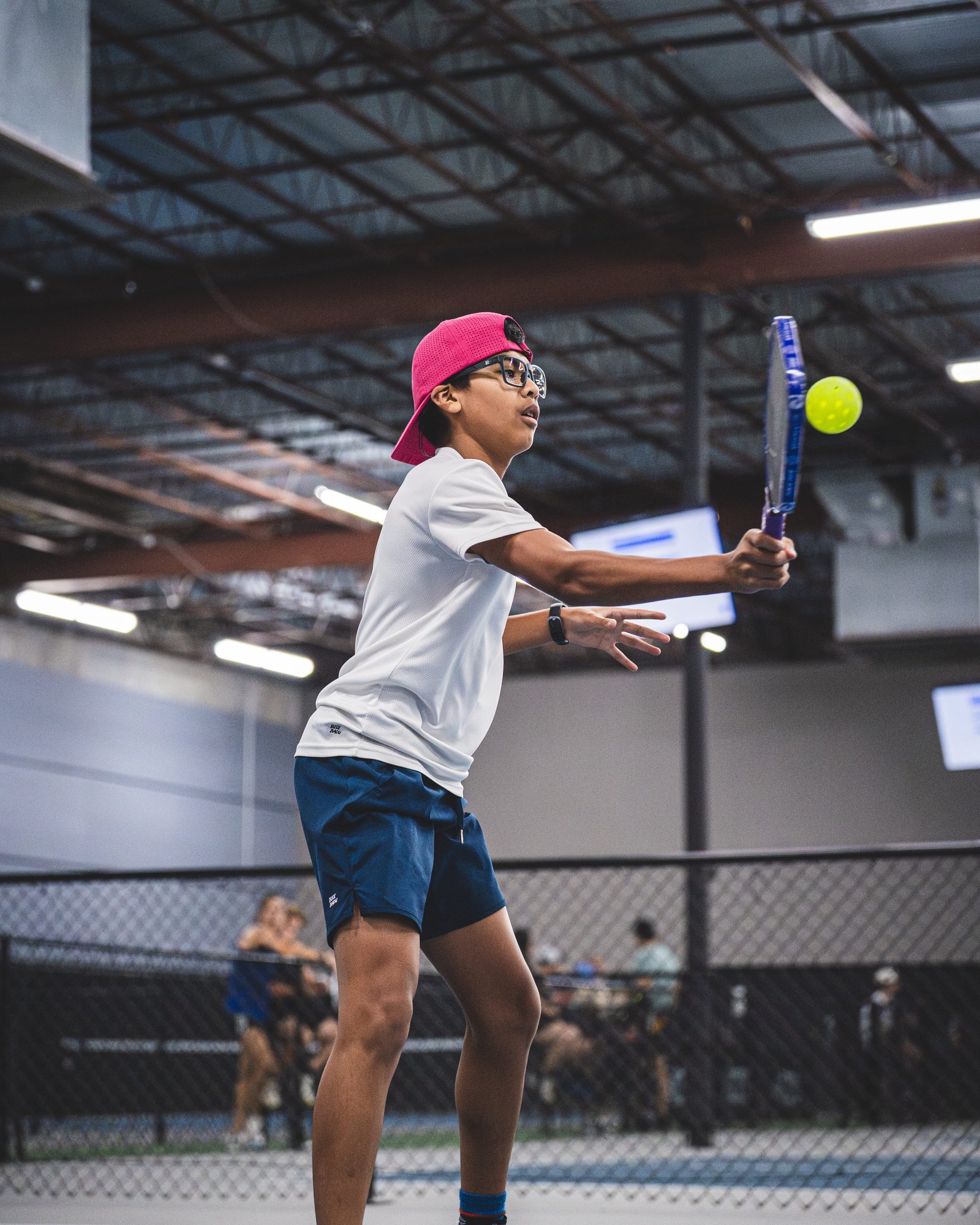
A practical note for players who might be skeptical about structured tiers: you do not have to abandon spontaneity. In fact, the best tiered programs preserve the moment when inspiration sparks during a live rally. A coach might pause a drill to illustrate a new insight after observing a single mistake, or they might recommend a spontaneous cross-court drill that mirrors a situation you just faced in a match. The trick is timing. There is a point where too much structure can sap the joy of play. The right program knows when to pull the reins and when to loosen them, allowing creative experimentation within a framework that keeps you moving forward.
For coaches, the tiered model is both a reward and a responsibility. It rewards precision, patience, and the willingness to tailor instruction to the learner. It also places a burden on the coach to stay current—techniques evolve, new drills emerge, and the best players demand nuanced feedback that blends mental and physical cues. That is why the strongest coaches are those who invest in their own development, attend clinics, review their own coaching videos, and seek mentorship from colleagues. In an Era Pickleball center, a coaching staff that treats learning as perpetual becomes a magnet for talent. It is easier to attract players who want to grow when you walk the talk, when your coaches are still discovering better ways to teach themselves.
The relationship between coaching tiers and court rental options can also shape the center’s brand. If a facility makes tiered coaching feel like a natural extension of the space, players see the court as a tool rather than a backdrop. They are less likely to view court time as a mere hobby and more as a decisive investment in their own development. In this sense, the center’s infrastructure and its program design reinforce one another. A well-designed court rental system, combined with transparent tier progressions, creates a feedback loop where effort translates into measurable growth, which in turn strengthens commitment and community.
Taken as a whole, an Era Pickleball center that prioritizes coaching tiers offers a compelling model for sustaining growth across a broad spectrum of players. It respects the sport’s social roots—how players come together, share tips, and build friendships—while nurturing a culture of disciplined practice, thoughtful feedback, and purposeful progression. The approach is not about chasing the next headline win. It is about building durable skills, reliable habits, and a sense of belonging that makes players want to keep coming back to the same center season after season. That is how a pickleball center becomes more than a place to play; it becomes a partner in your ongoing development.
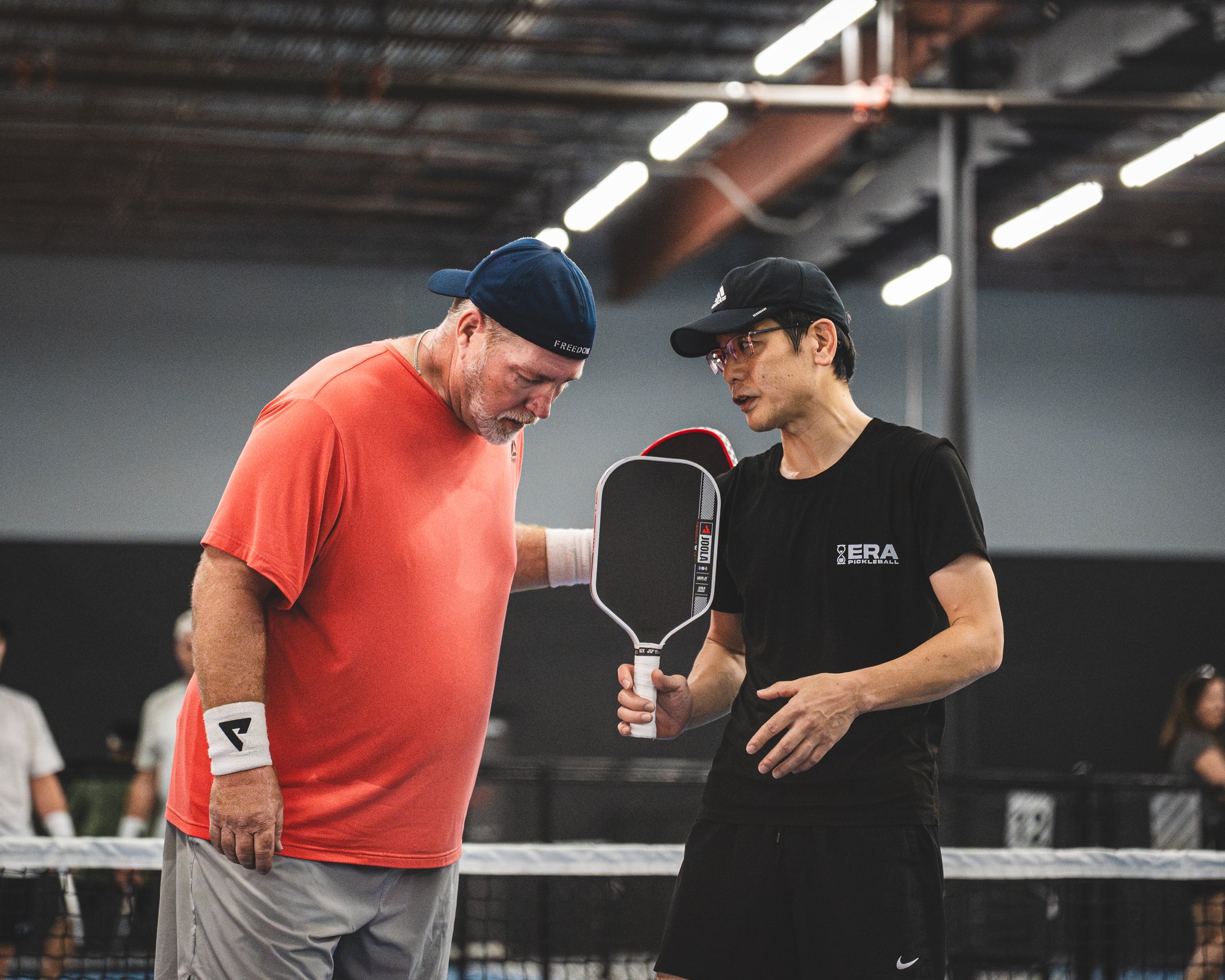
For those who need a practical takeaway, here are a few core ideas to keep in mind as you evaluate or participate in coaching tiers at Era Pickleball centers:
- Look for a published tier framework that defines goals, skills, and benchmarks at each level. A good framework should be visible and referenced in conversations with coaches and in the program’s documentation.
- Expect a process for progression that is actionable and time-bound. You should be able to ask, “What do I need to show or demonstrate to advance to the next tier?” and receive a clear answer.
- Seek a culture that respects different paths. Some players will want a competitive trajectory, others a social or skills-focused track. A strong program accommodates both without penalizing either.
- Demand transparency around costs and scheduling. The value of tiered coaching increases when you can forecast expenses and align them with your goals and calendar.
- Observe the coaching staff’s ability to adapt. The most effective coaches are those who can adjust the pace, tone, and content based on the learner’s responses in real time.
As with any sport, the real test of a tiered coaching system is how it feels to the people who live it. Do players leave practice with a sense of progress, a clear next step, and a month-to-month routine they can rely on? Do families find that the investment leads to meaningful improvement without sacrificing joy in the game? Do coaches feel they have the space to think about pedagogy as much as technique? In the best Era Pickleball centers, the answer is yes across all three questions.
In closing, the coaching tiers within Era Pickleball centers reflect a broader truth about the sport: pickleball is growing up without losing its soul. The sport remains social, accessible, and inviting, but the coaching method evolves to match the ambition of players who want to take their game seriously. The tiered framework provides structure without stifling curiosity, a rare balance that keeps practice purposeful and play fun. It creates a path that begins with the feel of a friendly dink and ends with the confidence to execute a complex transition under the weight of a tournament crowd.
If you are evaluating pickleball centers for yourself or for your family, consider asking about the coaching tier model before you commit. Ask how players are placed, what the upgrade criteria look like, and how the center handles exceptions or late-stage reinvestment. The right answers will feel practical, grounded in real experience, and aimed at helping you stay in the game longer with less frustration and more enjoyment. Era Pickleball centers have built something durable here. It is a model that respects both the art and the science of coaching, and it has the potential to redefine what players expect from a pickleball experience.
Two concise thoughts to carry forward as you consider the next steps. First, think of coaching tiers as a language you and your coach learn together. The more precise your shared terms, the more efficient your learning becomes. Second, treat court time as a resource that you allocate toward your larger objectives. A well-balanced mix of structured coaching, court rental for practice, and open play creates the right rhythm for growth. If you can hold onto those ideas while staying curious about your own process, you will likely find that Era Pickleball centers are less about a fixed program and more about a living system tuned to your development.
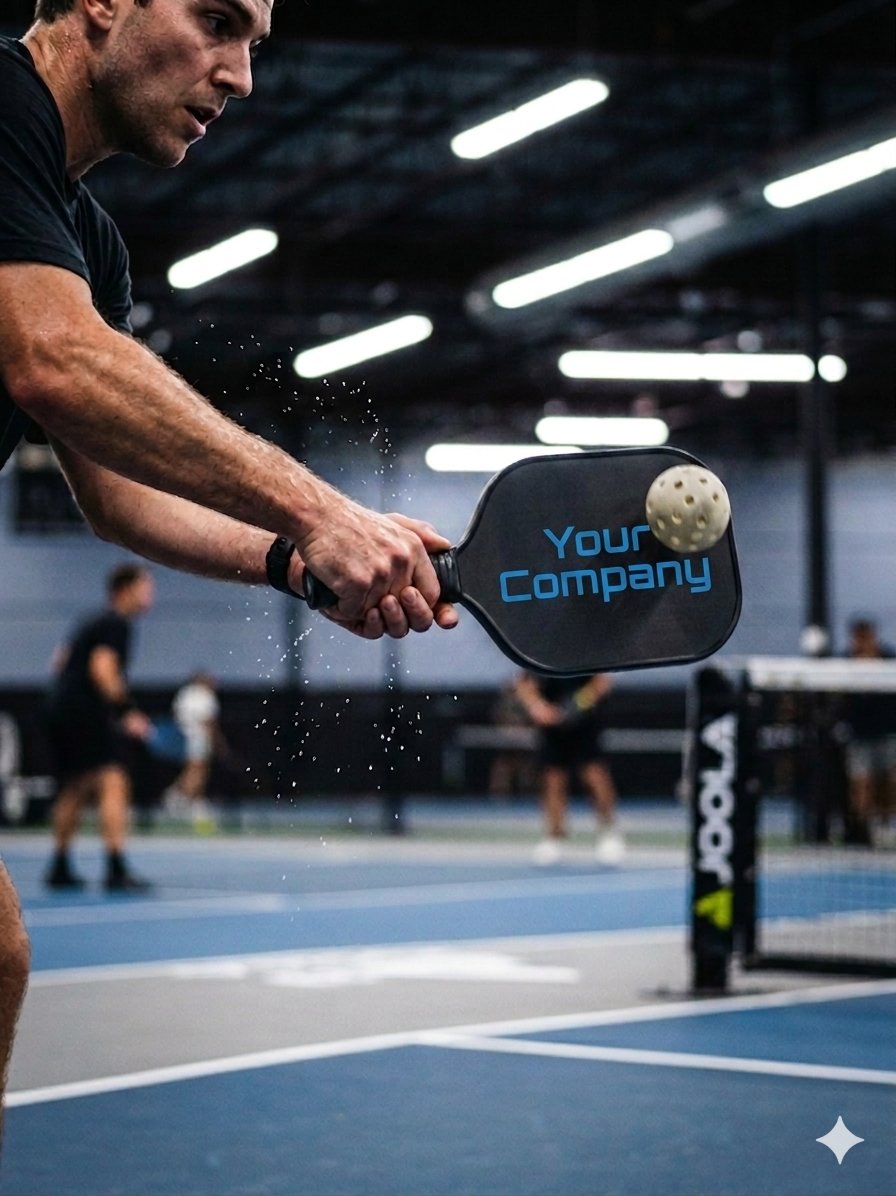
In the end, the value of coaching tiers is not the tiers themselves, but the clarity, accountability, and community they unlock. When a center understands that players come to learn, not merely to participate, it builds a culture that sustains momentum. The center becomes a hub where a makings of a player’s best version are nurtured through effort, feedback, and time spent on the court. The Era Pickleball approach to coaching tiers does more than structure practice. It helps players imagine what is possible and then gives them a practical, repeatable path to get there.