Pickleball Club Life: Era Pickleball’s Local Communities
The sun slips behind a strip of oaks as the first serves crack through a morning air that smells faintly of sunscreen and chalk. I’ve spent more than a decade in community sports, watching gyms fill up with the sound of paddles meeting plastic and the low murmur of conversation that follows a good match. Era Pickleball has a way of turning a row of courts into a neighborhood of its own, a place where strangers become partners, rivals become friends, and a few hours feel like a small, tangible investment in a community’s shared pulse. This piece is less a corporate brochure and more a record of what I’ve observed, the tradeoffs I’ve wrestled with, and the practical realities of running or joining a pickleball facility that aims to be more than a venue.
The core of Era Pickleball’s appeal sits in the balance between accessibility and quality. The phrase near me is rarely just a geographic indicator; it becomes a promise that a family, a retiree, a student, or a businessperson can walk into a place that values rhythm and repetition as much as competition. It isn’t about a single hero or a brilliant shot. It is about an ecosystem that supports learning, casual play, and disciplined practice within the same four walls, so to speak. My first memory of stepping into an indoor pickleball court at Era Pickleball is of the sound—the soft, percussive snap of nylon on composite, the squeak of sneakers in a long, warm-up lap, and the quicksilver chatter of participants who knew the rules and loved bending them in playful ways.
A local club can feel intimate even in a space with a dozen courts and a calendar full of leagues. Era Pickleball’s facilities tend to be laid out with a pragmatic clarity: a central desk that looks you in the eye and asks how you want to participate today; signs that point you toward the right court without feeling punitive; and a snack area that doesn’t pretend to be a gourmet café but serves an honest cup of coffee and a reliable granola bar. The average player shows up with a backpack full of the day’s errands and walks away with worn shoes and a lighter step, which is precisely the payoff you want from a community hub.
Getting into a pickleball club is often less about sport and more about schedule. People drift in with a preexisting pattern, a personal rhythm that can be hard to sustain in more traditional gyms or gym-like facilities. The Era Pickleball model tends to be explicit about that rhythm: open play hours for casual drop-in players, structured clinics for beginners, and competitive leagues to satisfy the itch for a serious match without forcing a person into a high-stakes tournament track. A well-run club makes time feel elastic rather than chained. You can stretch a practice session into a stretch break during a long workday, you can bring your child to a weekend drill, or you can stay late to watch a local match and learn from the elders who’ve accumulated a lifetime of tips about shot selection, court positioning, and the art of the third shot drop.
What comes next is not just a matter of surface polish. The real work of Era Pickleball lies in how it threads together facility, programming, and culture. A court is a court until the day you realize a court is a classroom, a stage, a meeting place, and a point of pride for a group of people who share a common affection for this sport. The indoors or outdoors distinction matters, but not as starkly as the social infrastructure that undergirds a thriving club. An indoor pickleball facility needs more than reliable nets and tuned floors; it requires an atmosphere that respects beginners and seasoned players alike, a schedule that honors both extension and focus, and a way of narrating the sport that feels authentic rather than engineered.
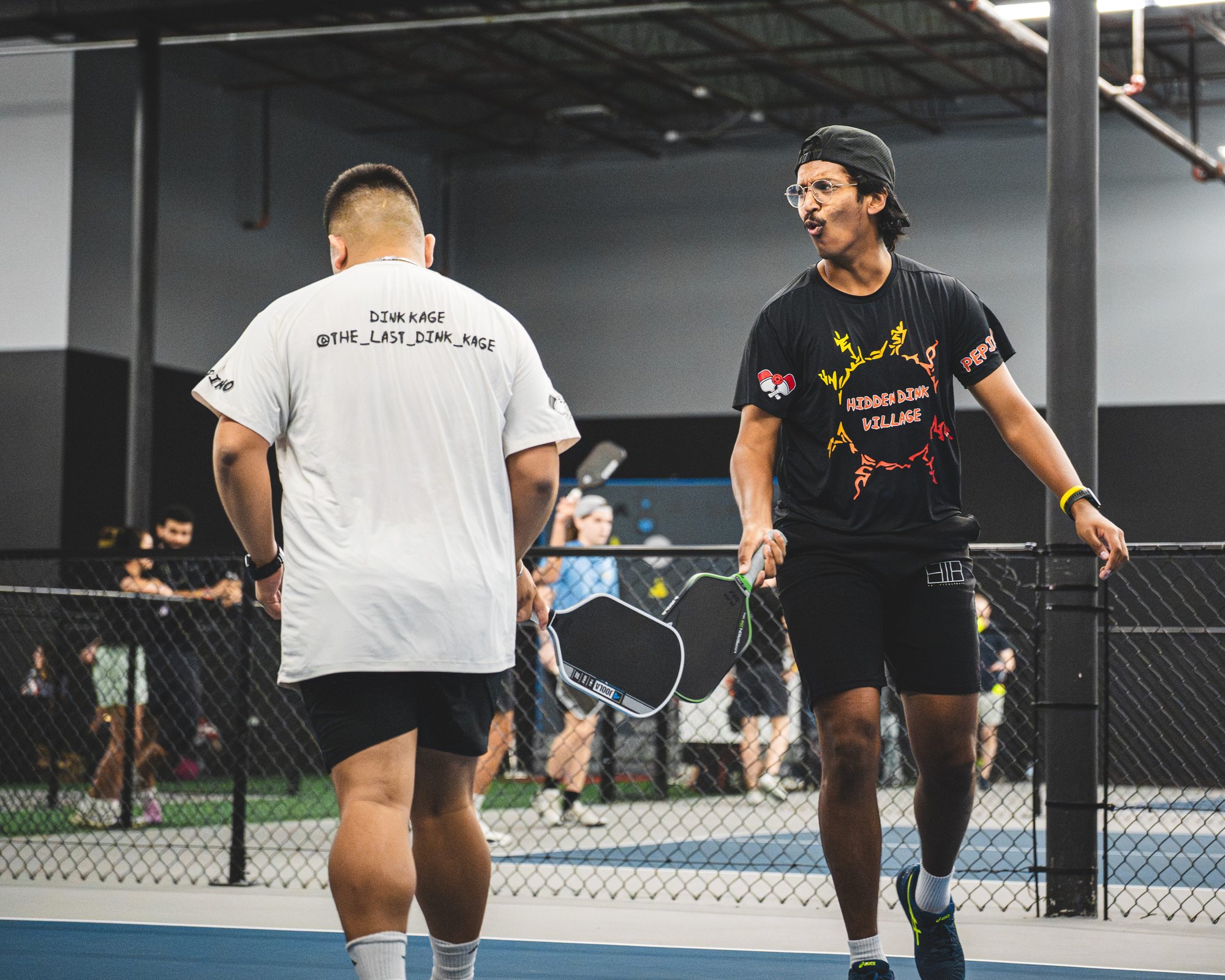
Facilities and design matter, too. Era Pickleball facilities often balance a clean, modern aesthetic with practical details that help players perform at their best. The courts need to be well-marked and consistent in bounce, but the surrounding space should reduce fatigue and facilitate recovery. Lighting should be bright but not glaring, and temperature control matters as much as you’d expect in a sport that midwest winters tend to test. The floor surface is not merely an amenity but a fundamental part of technique. It guides footwork, it softens the pace of the game, it minimizes the risk of slips, and it offers a reliable base for a long rally that tests concentration more than brute speed. In other words, the facility acts as a silent instructor, shaping how players approach play and how teams communicate on court.
A club’s culture evolves through the people who participate, and here Era Pickleball shines in small, telltale ways. The best clubs I’ve encountered maintain a steady rotation of volunteers and staff who understand that the sport is as much social glue as athletic competition. You’ll see a recurring cast of court-side helpers who know the players by name, who understand the backstory of a regular, and who calibrate the flow of drills, open play, and league nights so that no group feels left out or rushed. This is not a place where elite performance is the only currency. It is a space where a good rally can happen in the presence of a beginner, where a complicated strategy can be discussed over a post-match coffee, and where the loudest voice in the room is the one that reminds everyone to keep their shoes off the walls and their spirits on the court.
For the club member, there is a practical calculus to manage. The decision to join Era Pickleball involves weighing the value of access against the cost of membership, the flexibility of open play versus the specificity of a league schedule, and the intangible benefit of being part of a community that sees the sport as a vehicle for connection as much as a pastime. The math is rarely dramatic, but it matters. A family might consider a monthly family pass that covers a handful of weekend court hours, a single athlete might prefer an annual access card that gives priority when the facility reaches capacity, and a retiree might lean into a club with flexible morning blocks and a friendly, low-pressure learning track. The point is not to squeeze the most expensive option but to tailor access so that play becomes a habit rather than a rare event.
The local communities that Era Pickleball nurtures are shaped by the way people talk about the game in ordinary conversations. You overhear discussions about what to work on, not just who is winning. You witness a mentor offering a patient tip to a newer player about the second serve or the angle of the third shot, and you realize that learning is a social act here. A good clinic will pair a straightforward drill with a micro-lesson about self-management on court. The best leagues will tolerate a bit of friendly trash talk while enforcing sportsmanship, keeping a balance between competitive energy and the shared joy of a good rally. And there is a subtle but powerful ritual that emerges after a cluster of matches: players gather around the practice wall or the coffee counter to dissect a game, to echo a set piece, or to trade insights about new paddles, grip styles, or just a lighter footprint on joints after a long day of play.
As with any community venture, there are edges and trade-offs to consider. A club can be a sanctuary of consistent practice, or it can feel like a conveyor belt of events that leave regular players behind. Era Pickleball does not have to be one or the other. The strongest facilities manage to strike a dynamic balance: scheduled programs that welcome novices, frequent drop-in times that reward familiarity, and a rotating set of social events that keep the energy fresh without becoming chaotic. There is a cost to maintain that balance. Reliable lighting, HVAC, court resurfacing, and staff training all eat into the budget. The trick is to translate that cost into value for members through predictable programming, strong but fair competition rules, and a transparent cost structure. Members should walk away feeling that their dues paid for more than a court they could have found elsewhere; they should feel that they participated in a living community that grows with them.
I have watched players navigate the tug between independence and belonging. A core tension arises when someone wants to practice alone versus the club’s emphasis on structured social play. In Era Pickleball settings, there is room for both. Clinics provide a concentrated format to improve, while open play preserves the spontaneity that makes the sport accessible for casual participants. The best clubs also create deliberate pathways for progression. A seasoned player might mentor a beginner through a six-week series or invite a see details newer player to join an intra-club ladder to test new skills in a safe, supportive environment. These pathways are not mere marketing hooks. They are practical frameworks that translate the idea of community into repeated opportunities for real improvement.
What does this look like in day-to-day practice? The easiest answer is to walk through a typical day at a thriving era pickleball facility and notice the small decisions that compound into a strong culture.
First, front-of-house hospitality matters more than it appears. A welcoming desk with clear signage reduces friction for new players who may be stepping into an indoor space for the first time. Staff should be trained to greet with warmth, explain the day’s offerings succinctly, and help match players to appropriate activities. It is the little things—water bottles that are easy to grab, towels that are consistently available, and a friendly voice that remembers a returning player’s name—that keep people coming back.
Second, the court scheduling system should be visible, predictable, and forgiving. When a league night runs late or a court is temporarily unavailable, a well-run club communicates promptly and offers a reasonable alternative. Players do not need to ritualize frustration; they need clarity and options. A robust scheduling workflow also creates room for informal games that can fill gaps without overloading the courts. The best facilities keep a buffer of half an hour between blocks to absorb delays and to prevent the next group from feeling rushed.
Third, programming should reflect a spectrum of skill levels and age groups. Do not assume that a single program will serve everyone well. A well-curated calendar includes family clinics, senior-friendly mobility sessions, high-performance drills for competitive players, and casual “court time” blocks that encourage spontaneous play without the pressure of keeping score for every rally. The diversity of programs reinforces the club’s role as a community anchor rather than a private club for a narrow demographic.
Fourth, facilities must be maintained with discipline. The floor should be inspected and cleaned regularly, nets checked for tension, and the acoustics tuned so that announcements can be heard without shouting. A facility that feels neglected—paint peeling, lighting dim, or foul odors creeping into corners—sends a quiet signal that the space is not a priority. The opposite signal, that a team is attentively nursing every detail, invites trust and longer commitment.
Fifth, culture surfaces in everyday conversations. People talk about shots and strategies, but the most durable conversations are about how the club is evolving, the fairness of scheduling, and the accessibility of equipment. A sense of shared investment emerges when members feel heard. Solicit feedback, act on it, and close the loop so that people know their contributions matter.
The silent engine of Era Pickleball’s community, in my view, is leadership that blends practical capability with an ethic of hospitality. It is leadership that sees a calendar as a living document rather than a static schedule, that treats a beginner not as a problem to be solved but as a future contributor to the club’s culture, and that understands that the health of the sport hinges on the way players connect to each other beyond the scoreline. In the long run, the measure of a club is not how many trophies line a wall but how many friendships form on a Tuesday evening, how many new players return after a single visit, and how many adults find a recurring source of energy in a place that respects their time and effort.
Two short considerations, rooted in experience, about the trade-offs you will encounter when engaging with Era Pickleball or similar facilities.
First, the cost and value equation. A typical membership will include access to courts, some number of included clinics, perhaps a guest pass or two per month, and a subscription that covers maintenance and staff salaries. If a family of four can justify a monthly rate by calculating how often they participate, the club becomes not just a gym but a social hub with predictable costs. If you are living on a tighter budget, you can still engage meaningfully by taking advantage of open play windows, attending a few clinics per quarter, and volunteering for a staff-assisted event that gives you a sense of ownership without a heavy price tag. The key is to map out your expected usage and compare it to the membership tier. Do not assume that the most inclusive option is always the best fit; often a lighter, more flexible plan yields better return for irregular schedules.
Second, the balance between competition and community. The presence of leagues and ladders is a strength when it draws steady participation and creates a predictable rhythm of high-energy rallies. But a club that emphasizes competition without equal attention to social play risks creating a divide that makes newcomers feel they cannot participate without a high skill level. Era Pickleball’s best practice is to preserve the invitation inherent in a social court, even as it injects periodic opportunities for serious play. A club should be able to flip between a fast, exciting ladder match and a relaxed, coffee-and-cweh session where players help one another refine their technique. The ability to switch modes without friction is a mark of maturity in a community facility.
The broader picture is that Era Pickleball operates at the intersection of sport and social life. This is not a place to live by statistics alone, though numbers matter. It is a place to experience a particular kind of belonging. It is where the daily rituals of practice, cooldown, and post-match conversation accumulate into something bigger than the sum of individual efforts. The club becomes a shared memory, a living archive of moments on the court that would otherwise be lost to the noise of day-to-day routine. When a child learns to serve, when an old friend reconnects with players from a previous season, when a newcomer walks through the doors and leaves with a smile and a plan for the next visit, you have witnessed a small triumph for a local community.
In closing this reflection, I want to acknowledge what I believe to be the heart of Era Pickleball’s local communities. They are built on trust that a facility will respect your time, treat you with courtesy, and offer meaningful ways to grow as a player and as a person. The best clubs nurture a sense of stewardship—your participation matters not just to you but to the people who will come after you. If you are contemplating joining such a club, trust your instinct about the culture you sense when you walk in the door. Look for the quiet indicators: staff members who remember your name, a bulletin board that lists upcoming clinics, a staff-led volunteer hour, and a schedule that makes it feasible to mix practice with social time. Consider what you want out of the sport beyond the scoreboard, and you will find a way to weave yourself into Era Pickleball’s evolving local canvas.
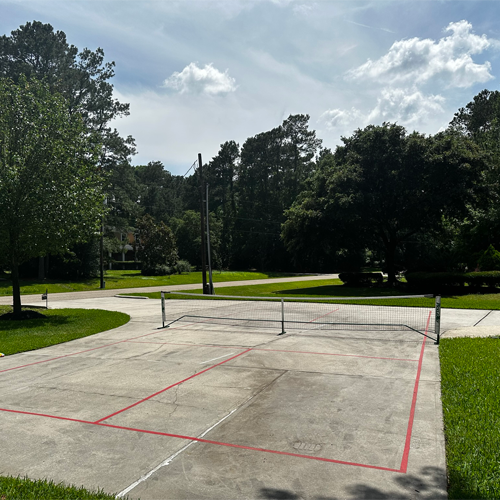
A note on practicalities that often surface in conversations around pickleball facilities: proximity to public transit and parking, the hours of operation, and the availability of indoor and outdoor court options. Era Pickleball’s strength is its capacity to adapt to seasons and neighborhoods. In many communities, having both indoor and outdoor options provides resilience against weather and maintenance schedules. Indoor courts offer year-round consistency, a critical feature for players who value predictability in their practice routine. Outdoor courts, when well-maintained, create a seasonal cadence that can be equally compelling, especially for players who enjoy the feel of sun and wind on a match. A robust club will not force a binary choice; it will present both venues as complementary paths to participation, training, and social connection. If one location is temporarily offline due to maintenance, a well-connected club can pivot quickly to a neighboring site or adjust the programming to keep momentum.
Another practical dimension concerns equipment and accessibility. Paddles and balls are a minor expense relative to the total cost of participation, but they have outsized importance in first impressions. A good Era Pickleball facility will offer a starter kit for beginners, with longer-handled paddles for players who prefer them, and a basic range of paddles for more experienced players who want to test new grips or weights. Accessibility must be considered as well: seating that accommodates different mobility levels, clear sightlines to the court for coaches or family watching from the sidelines, and restroom facilities that are easy to access. A club should invest in staff training that includes sensitivity to varied physical abilities, as well as clear safety guidelines that are visible and easy to understand. The goal is not to turn everyone into a pro but to remove obstacles to participation and enjoyment.
For the ambitious reader who wants a snapshot of what a thriving Era Pickleball community can look like in real numbers, here are some rough benchmarks drawn from multiple facilities I have visited over the years. A mid-sized indoor venue with eight to ten courts often features:
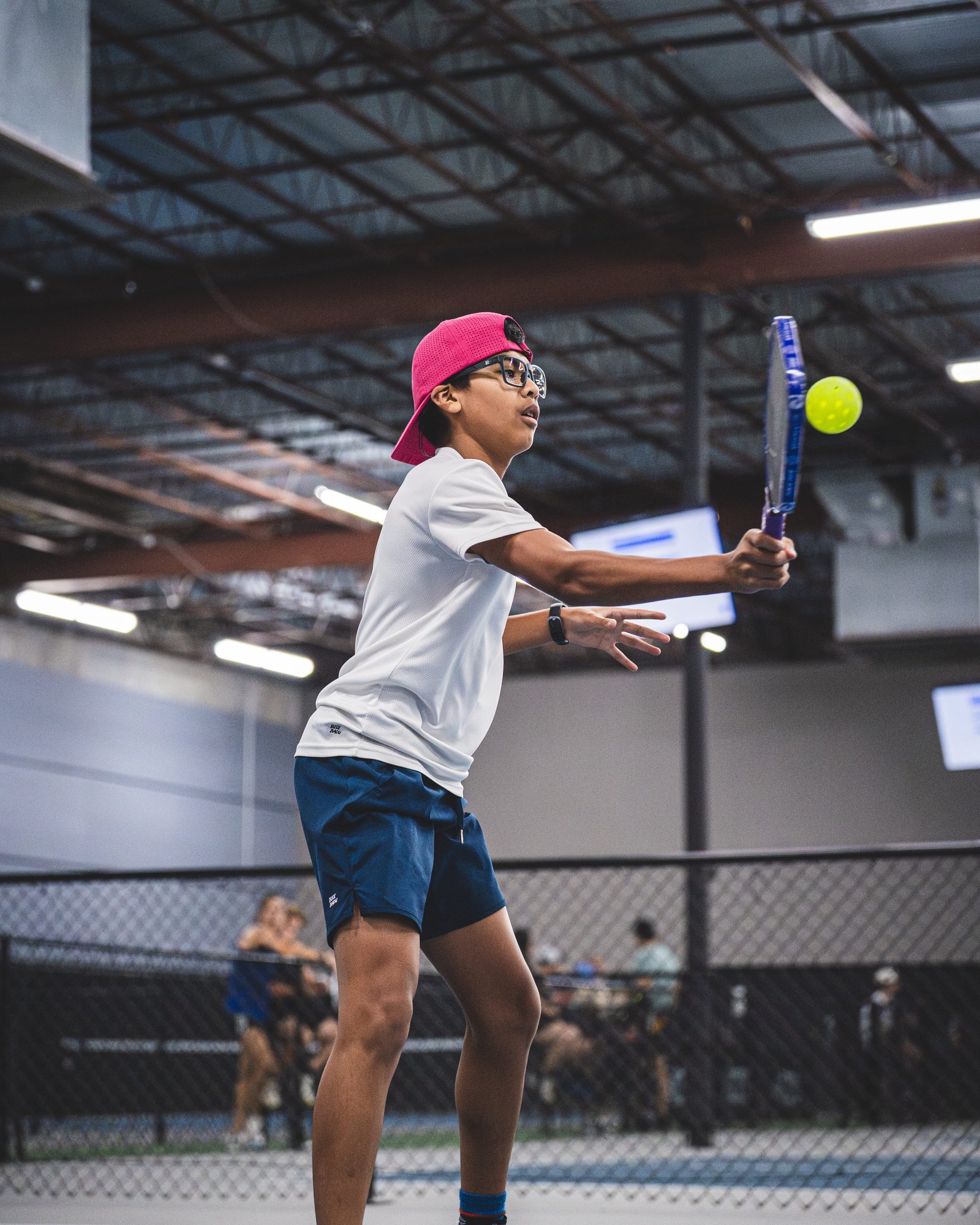
- A monthly attendance in the range of several hundred distinct players, with a core group of 40 to 60 who play multiple times per week.
- A programming calendar that includes at least two beginner clinics, one mobility or injury-prevention session, one mid-level drill night, and one league or ladder night per week.
- An equipment program that provides a basic inventory of paddles and balls, with a simple rental process and a brief tutorial on proper grip and stance.
- A front desk that handles check-ins for drop-in play, clinics, and special events, with a simple electronic system to track attendance and revenue.
- A maintenance schedule that includes daily court cleaning and weekly court resurfacing or re-grouting as needed.
If you walk away from these pages with one clear takeaway, let it be this: Era Pickleball is less about a single service or feature than about a consistent, deliberate effort to knit together sport and community. It is a place where people show up with a plan and depart with a sense of belonging, where the rituals of practice are not a private endeavor but a shared culture. It is, in my experience, a rare model that remains relentlessly attentive to the ordinary moments—an extra laugh between points, a quick tip after a tough rally, a nurse’s break to stretch before the next match—moments that accumulate into something that endures beyond the latest league standings.
If you are curious about what Era Pickleball near me might feel like in your neighborhood, I encourage you to observe a few concrete things before you commit:
- The first interaction matters: the welcome, the clarity of instructions, and the sense that you are stepping into a place that values your time.
- The cadence of programs aligns with your life. If you work late, do you have access to evening open play or weekend clinics that fit a busy schedule?
- The social texture feels right. Do people introduce themselves, remember your name, and invite you to join in a post-match conversation or social event?
- The facility holds up under use. Is the floor smooth and consistent, the lighting even and comfortable, and the climate comfortable for longer sessions?
- The value proposition stands up to scrutiny. Are you getting meaningful opportunities to improve, connect, and have fun for the price you pay?
These are practical tests, not vanity checks. They are the kinds of signals that tell you a club is not merely a place to hit a ball, but a place to grow and belong.
To close, I want to offer a final image drawn from a recent winter practice. A handful of players, a mix of ages and backgrounds, gather on a sunless Tuesday afternoon in a space that feels bright from the inside out. The chatter is light but earnest, each person chasing a better shot, a more precise serve, a smoother rally. The clock ticks toward the end of the session and a regular volunteer steps in with a gentle reminder about upcoming clinics and a friendly nudge toward the water cooler. It is in these understated routines that a community takes shape. The gym floor becomes a map of relationships rather than a flat arena for competition. The moment you recognize this, you understand why people come back with stories to tell and a new friend or two to bring along on the next visit. Era Pickleball, in my experience, is less about leagues and trophies than about the quiet but undeniable sense that a local court can become a shared home.
Two short, practical takeaways for anyone considering Era Pickleball as their home court:
- If you value consistency and social warmth as much as you value drills and competition, seek out a club that prioritizes open play blocks that pair well with structured programming. Look for a calendar that feels human, not robotic. The best facilities balance schedule rigidity with flexibility, so you can practice when you want and still be part of a community ritual when you need it.
- If you are a longtime player looking to deepen your involvement, consider opportunities to mentor newcomers or volunteer during events. Good clubs reward commitment with a sense of belonging that goes beyond the sum of daily matches. This is where your experience becomes a living part of the club’s fabric, and your presence contributes to the club’s longevity as a community hub rather than just a facility.
Era Pickleball is more than a brand or a place to play. It is a practice in hospitality, a craft of programming, and a design philosophy about how communities can organize themselves around sport. When I think back to the first time I walked into a court with an Era Pickleball banner and heard the murmur of players checking in, I remember the exact moment I understood what the space could become for people in the neighborhood: a reliable, welcoming, slightly imperfect but deeply human place where the rhythm of the game and the rhythm of life meet, share a conversation, and keep playing. That is the heart of Era Pickleball’s local communities, and it is what makes a pickleball club feel like home.